Dec 4, 2025

Trauma-Informed Ketamine Treatment: What Clinicians Need To Know

Sandy Newes
Category: Podcasts
No comments
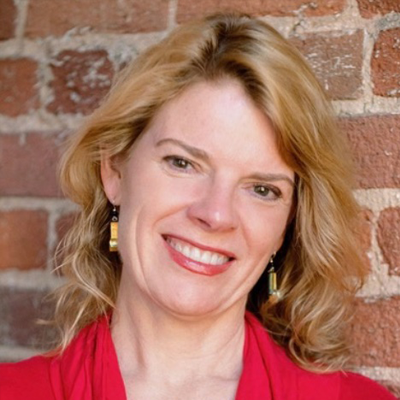
Dr. Sandra (Sandy) Newes

Dr. Sandra (Sandy) Newes, PhD, is a licensed psychiatrist and the Co-founder and Programming Director of Living Medicine Institute, which offers psychedelic-assisted psychotherapy training programs. With over 25 years of clinical experience as a psychedelic-assisted psychotherapist, she specializes in anxiety, chronic stress, trauma, and recovery. Dr. Newes is also an educator and speaker offering workshops, events, and education on psychedelic-assisted psychotherapy and the intersection of nature connection, trauma, and mental health.

apple-podcast
spotify
partner-share-lg

Here’s a glimpse of what you’ll learn:

  • [1:26] Why Dr. Sandy Newes began exploring ketamine-assisted psychotherapy and how the modality has evolved
  • [5:19] How ketamine opens unique therapeutic possibilities compared to talk therapy
  • [8:42] The influence of Dr. Newes’ experiential education and wilderness therapy background on her therapeutic approach
  • [10:37] Common client and clinician misconceptions about ketamine
  • [15:01] How ketamine experiences translate into clients’ daily lives through preparation, integration, and experiential processing
  • [16:57] Differentiating depression, anxiety, and trauma in ketamine treatment
  • [22:11] An overview of trauma-informed care in ketamine-assisted psychotherapy
  • [30:18] The patterns Dr. Newes observes in trauma clients during sessions
  • [35:34] How clinicians handle the emergence of new or incomplete traumatic memories during ketamine sessions

In this episode…

Many people exploring mental health treatments seek options that go deeper than traditional talk therapy. They want approaches that help them access, process, and move through the patterns that keep them stuck. How can you determine which tools support meaningful change?

According to psychologist and ketamine-assisted psychotherapy specialist Dr. Sandy Newes, the solution lies in combining medicine with skilled therapeutic guidance. Preparation, integration, and a strong relational container turn chemical experiences into transformation. Dr. Newes recommends working in a structured series of sessions, tracking the narrative and the body, and ensuring clients feel safe enough to explore difficult material. This process can open space for clarity, emotional release, and genuine healing.

In this episode of Living Medicine, Chad Franzen of Rise25 hosts Dr. Sandy Newes, Co-founder and Programming Director of Living Medicine Institute, to discuss ketamine-assisted psychotherapy for trauma care. Dr. Newes talks about its unique clinical utility, common misconceptions about dosing, and how trauma-informed care shapes the therapeutic experience.

Resources mentioned in this episode:

Quotable Moments:

  • “I used it initially as a stopgap, but really came to appreciate its clinical utility.”
  • “People always think about ketamine as being… a dissociative anesthetic… but if you’re already in it and you’re like in the bubble with them, then that becomes a really important piece of the equation.”
  • “We go really deep, really fast. And it can really help clients access things that they’ve never been able to access before.”
  • “It’s really difficult to think one’s way out of that, because our survival brain is essentially at the top of the chain in terms of survival necessity.”
  • “A big piece of recovery from trauma is learning that it’s okay to feel okay.”

Action Steps:

  1. Prioritize thorough preparation before ketamine sessions: Spending time gathering a client’s history and clarifying intentions helps create the safety needed for deeper therapeutic work. Without proper preparation, clients may feel overwhelmed or unsure, which limits the effectiveness of the experience.
  2. Create a trauma-informed environment with an intentional setting: A calm, quiet, carefully designed space helps clients drop in and feel safe during altered states. These conditions reduce distraction and support the nervous system, making the therapeutic process more stable and grounded.
  3. Integrate sessions within 24 to 48 hours: Reviewing notes, sensations, and narratives soon after a session helps translate insights into daily life. Timely integration prevents emotional material from becoming disorganized or overwhelming.
  4. Pay close attention to somatic cues during treatment: Tracking body tension, looping thoughts, or signs of hypervigilance helps guide clients through stuck patterns. Working with the body enables regulation that pure talk therapy often cannot reach.
  5. Work in a series of structured sessions rather than one-offs: Multiple sequential sessions deepen the therapeutic arc and support lasting change. This approach allows clients to build internal capacity over time instead of relying solely on a single profound experience.

Sponsor for this episode…

This episode is brought to you by the Living Medicine Institute.

LMI is a training, resource, and membership program educating providers about the legal and safe use of psychedelic-assisted psychotherapy.

To learn more or participate, visit https://livingmedicineinstitute.com.
Reader Interactions

Leave a Reply

Join the Newsletter!

Sign up for our newsletter and get free resources to your inbox.

Categories

Tags

The Living Medicine Institute turns regular providers into psychedelic providers, with an emphasis on ethics, scope of practice, and a commitment to ongoing learning.

Contact

Living Medicine Institute
218 Chestnut Street
Asheville, NC 28801
Email Us

Resources

© 2025 Living Medicine Institute. All Rights Reserved. Designed and Developed by Troop-Creative & Digital Strategy Works
Living Medicine Institute
Privacy Overview

This website uses cookies so that we can provide you with the best user experience possible. Cookie information is stored in your browser and performs functions such as recognising you when you return to our website and helping our team to understand which sections of the website you find most interesting and useful.