Feb 19, 2026

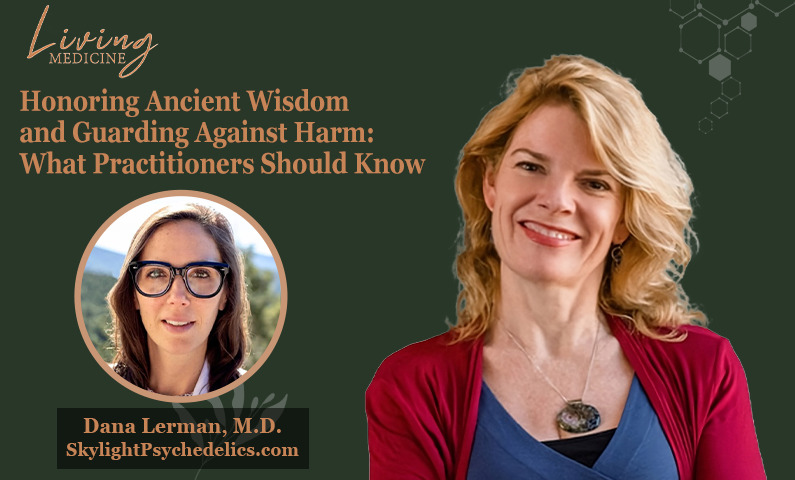
Honoring Ancient Wisdom and Guarding Against Harm: What Practitioners Should Know

Sandy Newes
Category: Podcasts
No comments
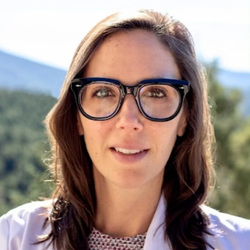
Dana Lerman, MD

Dana Lerman, MD, is the Founder of Skylight Psychedelics, a company that trains therapists in psychedelic‑assisted therapy and provides medically supervised ketamine and psychedelic interventions. As a physician trained in internal medicine and infectious diseases, she was the Co-founder of The COVID Consultants, a national COVID-19 consulting and testing firm. Dr. Lerman has received certifications in psychedelic therapy, Internal Family Systems, trauma, and ecotherapy. In addition to Skylight Psychedelics, she co‑founded Starlight Clinical Research and volunteers with harm‑reduction and psychedelic supportive care projects like The Zendo Project.

apple-podcast
spotify
partner-share-lg

Here’s a glimpse of what you’ll learn:

  • [3:40] Dana Lerman, MD, shares her journey from working with infectious diseases to transitioning into psychedelic-assisted therapy
  • [8:39] Dr. Lerman’s personal journey into psychedelics, including her first ayahuasca retreat in Costa Rica
  • [13:01] The importance of preparation in psychedelic experiences and avoiding harm
  • [15:05] How psychedelic-assisted therapy can be dysregulating and the challenges of acquiring informed consent
  • [20:43] Honoring indigenous roots in psychedelic therapy and plant medicine
  • [26:17] Dr. Lerman talks about blending indigenous wisdom with Western approaches in psychedelic therapy
  • [33:27] The distinction between synthetic psychedelics like ketamine and plant-based medicines like ayahuasca
  • [36:21] Building community and the challenges of navigating psychedelic experiences in group settings
  • [44:22] Dr. Lerman’s involvement with a new psilocybin healing center in Colorado

In this episode…

As psychedelics become more integrated into mainstream therapy, the challenges of preserving tradition while ensuring safety and effectiveness remain at the forefront of this evolving field. How can professionals bridge this gap?

Physician turned psychedelic therapy practitioner Dana Lerman, MD, suggests blending indigenous wisdom with modern therapeutic practices. She emphasizes the importance of proper preparation and informed consent for psychedelic experiences, ensuring that participants understand both the potential benefits and risks. Safety, trust, and a deep respect for the medicine are key components of a transformative psychedelic journey. By honoring these traditions and fostering a sense of community, practitioners can create healing environments that respect the individuals and the medicines.

In this episode of Living Medicine, Dr. Sandy Newes sits down with Dana Lerman, MD, to talk about the integration of indigenous practices into psychedelic therapy. Dr. Lerman shares her thoughts on the importance of preparation in psychedelic work, the role of indigenous wisdom in modern therapy, and the need for a strong community during psychedelic experiences.

Resources mentioned in this episode:

Quotable Moments:

  • “You don’t know it until you really do it.”
  • “I think when someone is ill-prepared for a ceremony, it can be completely dysregulating and harmful.”
  • “You can become paralyzed in the ceremony, right? It’s unlikely to persist, but you cannot move.”
  • “I think it’s critical to preserve the sacredness of the medicine and these experiences.”
  • “We are working with these beings and teachers that are out of the universe, like they know everything.”

Action Steps:

  1. Prioritize proper preparation for psychedelic ceremonies: Ensuring that participants understand the potential psychological challenges helps avoid negative, dysregulating experiences during the ceremony. Preparation can guide individuals to set clear intentions, fostering a safer and more transformative experience.
  2. Create a safe, supportive environment for participants: A well-held container with trained facilitators allows participants to feel supported through intense or unpredictable emotional experiences. This fosters trust, which is crucial for deep healing and for individuals to feel comfortable in exploring their inner worlds.
  3. Integrate indigenous wisdom into psychedelic therapy: Involving indigenous perspectives ensures a respectful, grounded approach to using sacred medicines. It honors the cultural traditions surrounding the medicine, enhancing both its effectiveness and the integrity of the healing process.
  4. Avoid medicalizing the psychedelic experience: While medical support is necessary, it’s important not to strip the ceremony of its spiritual and ceremonial qualities. Maintaining the sacredness of the experience ensures that healing happens on both a physical and emotional/spiritual level.
  5. Ensure community support for integration after experiences: After profound psychedelic experiences, having a strong, supportive community aids in the integration of insights gained. This allows individuals to process their journey in a meaningful way and apply it to their everyday lives.

Sponsor for this episode…

This episode is brought to you by the Living Medicine Institute.

LMI is a training, resource, and membership program educating providers about the legal and safe use of psychedelic-assisted psychotherapy.

To learn more or participate, visit https://livingmedicineinstitute.com.

Reader Interactions

Leave a Reply

Join the Newsletter!

Sign up for our newsletter and get free resources to your inbox.

Categories

Tags

The Living Medicine Institute turns regular providers into psychedelic providers, with an emphasis on ethics, scope of practice, and a commitment to ongoing learning.

Contact

Living Medicine Institute
218 Chestnut Street
Asheville, NC 28801
Email Us

Resources

© 2025 Living Medicine Institute. All Rights Reserved. Designed and Developed by Troop-Creative & Digital Strategy Works
Living Medicine Institute
Privacy Overview

This website uses cookies so that we can provide you with the best user experience possible. Cookie information is stored in your browser and performs functions such as recognising you when you return to our website and helping our team to understand which sections of the website you find most interesting and useful.