
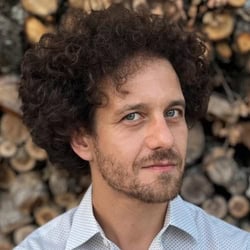
Roman Palitsky, PhD, is the Director of Research Projects for Emory Spiritual Health and a Research Psychologist for Emory University School of Medicine. His research examines how culture, spirituality, and health interact, focusing on the biological, psychological, and social pathways that shape health outcomes. Dr. Palitsky is also an Assistant Professor of Psychiatry and Behavioral Sciences at Emory University and conducts research to make behavioral and psychedelic therapies more culturally responsive and effective.
He leads the Post-Psychedelic Challenges study. If you or someone you know has experienced difficulties after taking a psychedelic, consider participating in this paid study: Post-Psychedelic Challenges Study




Here’s a glimpse of what you’ll learn:
- [3:04] Roman Palitsky, PhD, shares what led him to become a clinical psychologist and specialize in psychedelic research
- [6:00] Dr. Palitsky’s role in developing Emory University’s Center for Psychedelics and Spirituality
- [8:08] How psychedelics present unique opportunities to study the mind and address meaningful clinical questions
- [14:53] Scientific approaches to studying spiritual experiences and the debate over “psychedelics without the trip”
- [19:18] Research on enhancing therapeutic outcomes by improving memory retention of psychedelic experiences
- [25:37] The importance of studying adverse effects and balancing overly positive versus overly negative narratives
- [29:31] How benefits and harms can coexist in psychedelic experiences
- [35:21] An overview of Dr. Palitsky’s research methods, including systematic assessment of adverse effects and gaps in clinical trials
- [48:10] Guidance for clinicians on supporting clients through adverse effects and focusing on stabilization before meaning-making
In this episode…
Psychedelic therapies are often framed as breakthroughs — but what happens when the experience doesn’t go as expected? As these treatments gain popularity, a more complex reality is emerging: Profound healing can coexist with confusion, distress, or even lasting challenges. How can clinicians and patients navigate the full spectrum of psychedelic experiences?
Roman Palitsky, PhD, a research psychologist specializing in the intersection of spirituality and mental health, emphasizes that both benefits and harms can arise from the same experience — and both deserve careful attention. He encourages clinicians to validate patients’ narratives rather than forcing meaning too quickly, focusing first on stabilization before interpretation. Dr. Palitsky also recommends preparing clients thoroughly, monitoring readiness, and recognizing when difficult reactions signal the need to pause or adjust care. His guidance centers on curiosity, humility, and using a broad clinical toolkit to support recovery and growth.
In this episode of Living Medicine, Dr. Sandy Newes talks with Roman Palitsky, PhD, Director of Research Projects for Emory Spiritual Health and Research Psychologist for the Emory University School of Medicine, about adverse effects in psychedelic therapy. Dr. Palitsky explains how psychedelics reveal key questions about the mind, why adverse experiences must be studied alongside benefits, and how clinicians can support patients through challenging outcomes.
Resources mentioned in this episode:
Quotable Moments:
- “You don’t get the trip you want; you get the trip you need, right?”
- “Benefits and harms, they co-occur. You can absolutely benefit from taking a psychedelic and experience an adverse effect.”
- “Less than 25% of studies where they give psychedelics to humans do any kind of systematic assessment of adverse effects.”
- “We see situations like this multiple times a week, right? You’re not the only one experiencing this.”
- “Let’s not skip over the sense-making process, and let’s not arrogate their narratives to whatever system works for us.”
Action Steps:
- Normalize conversations about adverse effects: Creating space to openly discuss difficult psychedelic experiences reduces stigma and helps people feel less isolated. This fosters trust and allows individuals to seek help earlier, improving outcomes.
- Prioritize stabilization before meaning-making: Focusing on sleep, safety, and basic functioning helps ground individuals after challenging experiences. This creates a stable foundation so deeper insights can emerge more naturally over time.
- Assess client readiness before treatment: Evaluating emotional stability and life circumstances can prevent worsening symptoms after dosing. This proactive approach helps ensure the intervention is supportive rather than destabilizing.
- Validate the client’s personal narrative: Listening without imposing interpretations builds rapport and respects the individual’s lived experience. This allows for a more accurate understanding and more effective therapeutic support.
- Use a flexible, evidence-informed approach: Drawing from a wide range of clinical tools helps address the diverse ways adverse effects can present. Since standardized treatments are still emerging, adaptability is key to supporting recovery.
Sponsor for this episode…
This episode is brought to you by the Living Medicine Institute.
LMI is a training, resource, and membership program educating providers about the legal and safe use of psychedelic-assisted psychotherapy.
To learn more or participate, visit http://livingmedicineinstitute.rise25media.com.
Powered by Rise25 Podcast Production Company


Leave a Reply
You must be logged in to post a comment.