Jun 4, 2026

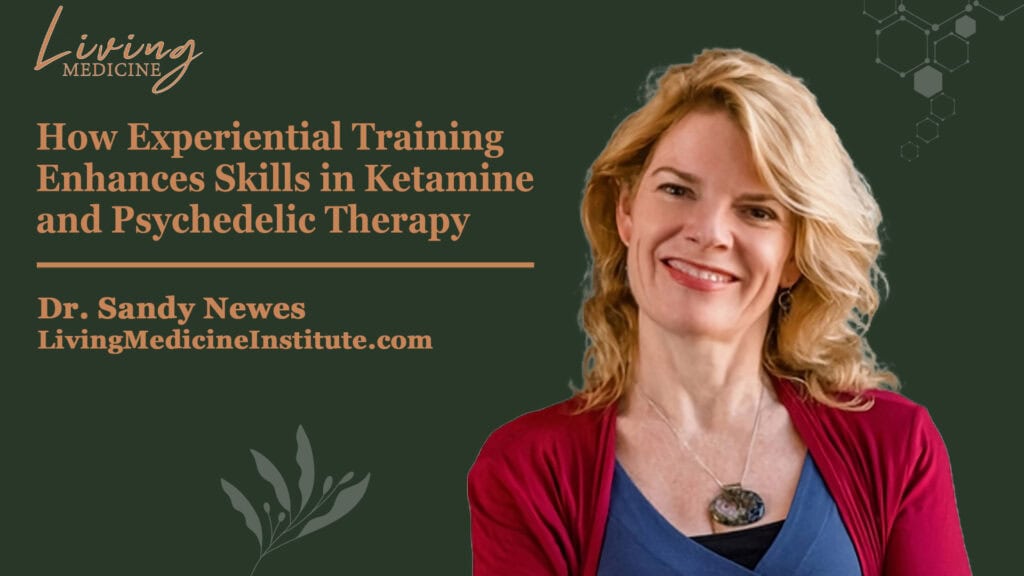
How Experiential Training Enhances Skills in Ketamine and Psychedelic Therapy

Sandy Newes
Category: Podcasts
No comments
Gina Giorgio

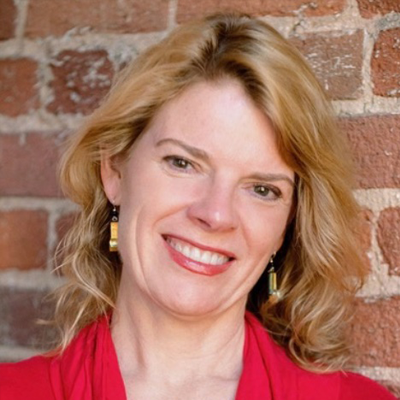
Dr. Sandra (Sandy) Newes, PhD, is a licensed psychiatrist and the Co-founder and Programming Director of Living Medicine Institute, which offers psychedelic-assisted psychotherapy training programs. With over 25 years of clinical experience as a psychedelic-assisted psychotherapist, she specializes in anxiety, chronic stress, trauma, and recovery. Dr. Newes is also an educator and speaker offering workshops, events, and education on psychedelic-assisted psychotherapy and the intersection of nature connection, trauma, and mental health.

Here’s a glimpse of what you’ll learn: 

  • [1:46] The impact of the executive order to reclassify cannabis on psychedelic research for practitioners
  • [5:22] An overview of psychedelic-assisted psychotherapy training programs and modular approaches
  • [6:44] Dr. Sandy Newes explains the differences between therapists and medical practitioners in psychedelic therapy
  • [9:08] The benefits and logistical advantages of ketamine compared to other psychedelics
  • [12:25] Dr. Newes outlines the structure of ketamine therapy, including preparation, medicine, and integration sessions
  • [19:24] Evolving clinical practices and the role of trauma-informed care and client choice
  • [26:15] What participants can expect from training: experiential learning and self-reflection
  • [29:10] How to balance clinical education, community building, and experiential learning in training
  • [36:55] Embedding trauma-informed care principles in training and practice
  • [43:39] Key takeaways for psychedelic training participants

In this episode…

Psychedelic therapy is reshaping mental healthcare. With recent regulatory changes and increasing interest in alternative treatments, practitioners are exploring how to integrate these powerful tools safely and effectively. What does it take to train for and implement these therapies in a clinical setting?

According to psychedelic-assisted psychotherapy practitioner Dr. Sandy Newes, integration requires both knowledge and experience. She emphasizes the importance of understanding the unique effects of substances like ketamine, participating in experiential training, and collaborating with medical prescribers. Practitioners should prioritize trauma-informed care, client choice, and ongoing self-reflection to maintain ethical and effective practices. By combining clinical expertise with hands-on experience, therapists can navigate this evolving field.

In this episode of Living Medicine, Chad Franzen of Rise25 chats with Dr. Sandy Newes, Co-founder and Programming Director of Living Medicine Institute, about psychedelic-assisted psychotherapy training. Dr. Newes discusses training programs and experiential learning, the role of ketamine in therapy, and embedding trauma-informed care into clinical practice.

Resources mentioned in this episode:

Quotable Moments:

  • “You’re developing a relationship, and that is a really core element of the way that I work.”
  • “It’s not just what comes up for a client in the session; there are many layers.”
  • “Being with experienced providers, in a cohort with people that you can talk with, is critical.”
  • “This is weird and wild and interesting and fascinating work, and we learn profound and interesting things.”
  • “If you are really interested in this field, you’ll find that there is a chunk of us oddly mission-driven.”

Action Steps:

  1. Pursue experiential psychedelic training: Engaging directly with the medicines helps practitioners understand their effects and improves therapeutic skills. Personal experience ensures therapists can guide clients safely and confidently.
  2. Build collaborative relationships with prescribers: Working closely with medical professionals ensures ethical and effective delivery of psychedelic-assisted therapy. Collaboration also creates a support system for complex clinical decision-making.
  3. Embed trauma-informed care principles: Prioritizing safety, choice, and ethics protects clients and promotes meaningful therapeutic outcomes. This approach prevents retraumatization and enhances trust in the therapeutic relationship.
  4. Develop a reflective practice routine: Regular self-reflection helps therapists recognize personal biases and emotional responses that influence client work. Awareness of one’s own patterns strengthens therapeutic effectiveness and ethical responsibility.
  5. Engage in professional communities: Joining networks of experienced practitioners fosters mentorship, shared learning, and ongoing skill development. Community support ensures continued growth in a rapidly evolving field.

Sponsor for this episode…

This episode is brought to you by the Living Medicine Institute.

LMI is a training, resource, and membership program educating providers about the legal and safe use of psychedelic-assisted psychotherapy.

To learn more or participate, visit https://livingmedicineinstitute.com.

Join the Newsletter!

Sign up for our newsletter and get free resources to your inbox.

Tags

The Living Medicine Institute turns regular providers into psychedelic providers, with an emphasis on ethics, scope of practice, and a commitment to ongoing learning.

Contact

Living Medicine Institute
218 Chestnut Street
Asheville, NC 28801
Email Us

Resources

© 2025 Living Medicine Institute. All Rights Reserved. Designed and Developed by Troop-Creative & Digital Strategy Works
Living Medicine Institute
Privacy Overview

This website uses cookies so that we can provide you with the best user experience possible. Cookie information is stored in your browser and performs functions such as recognising you when you return to our website and helping our team to understand which sections of the website you find most interesting and useful.